Essential Tips for Choosing the Best Camping Lights Online
Choosing the right camping lights can significantly enhance your outdoor experience. Whether you’re setting up camp in the woods or enjoying a backyard bonfire, proper lighting is essential for safety and comfort. With so many options available online, it can be overwhelming to find the perfect lights for your needs. This guide will help you navigate the selection process and ensure you make an informed purchase.
Understand Your Lighting Needs
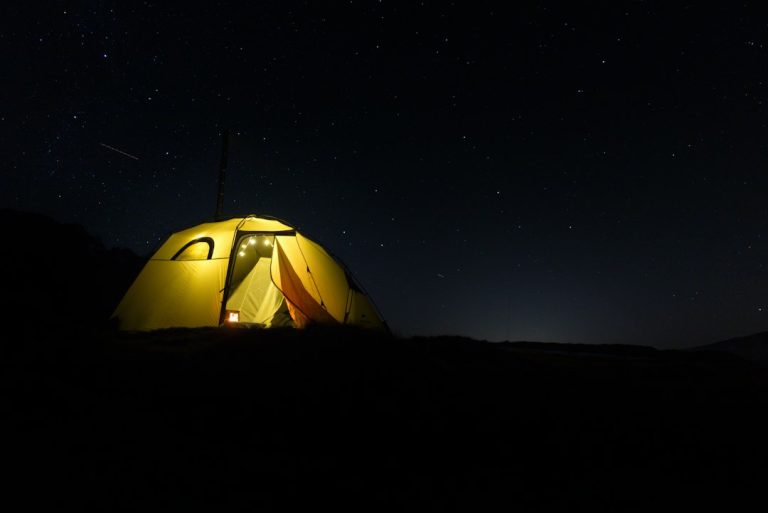
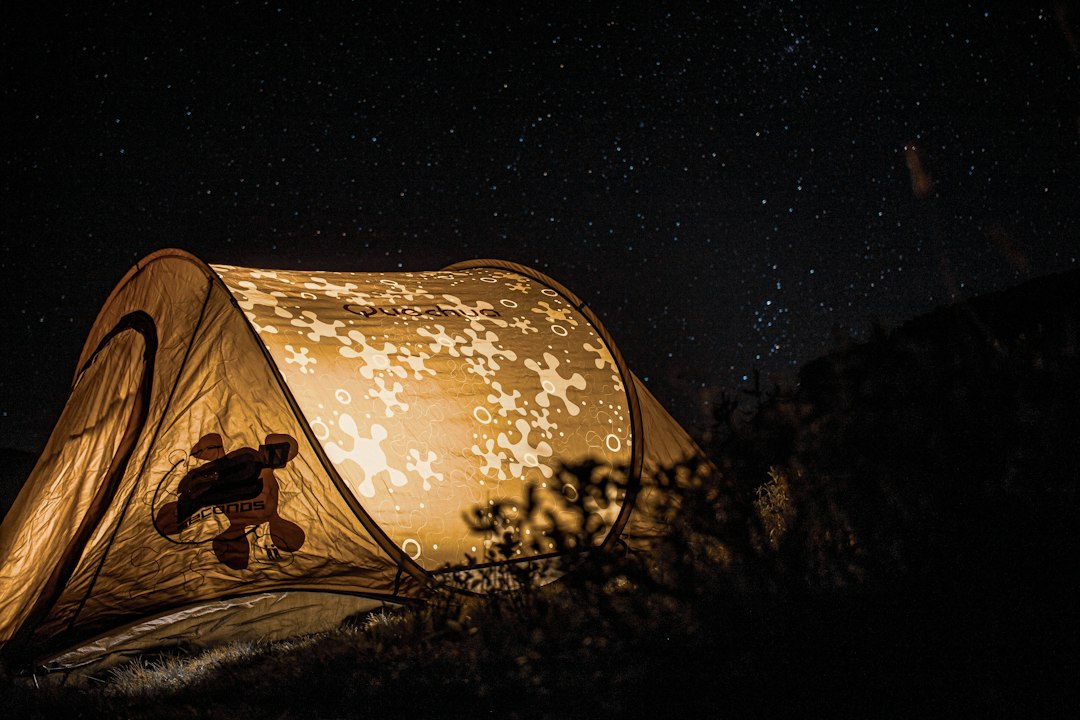
Before diving into the vast array of camping lights available, it’s crucial to assess your specific lighting needs. Consider the type of camping you will be doing; will you be in a tent, camper, or simply enjoying a night under the stars? Each scenario may require different types of lighting solutions. For instance, if you’re camping in a tent, you might need a lantern that provides 360-degree illumination, while a headlamp could be more suitable for hiking or cooking at night.
Additionally, think about the duration of your trips and how much light you will need. If you plan to camp for extended periods, you may want to invest in rechargeable lights or those that use replaceable batteries. Understanding your needs will help you narrow down your options and find the most suitable camping lights for your adventures.
Types of Camping Lights
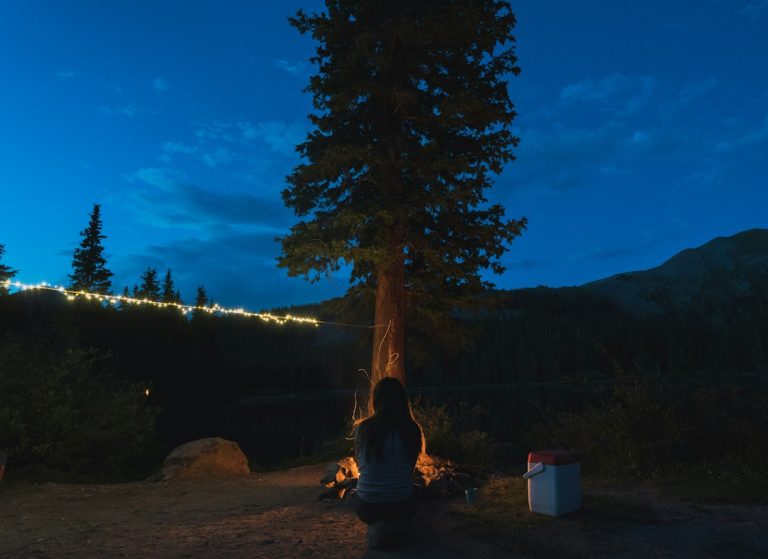
There are several types of camping lights available, each designed for specific purposes. Lanterns are popular for providing ambient light around your campsite, while flashlights and headlamps are ideal for focused tasks like navigating trails or cooking. String lights can add a cozy atmosphere to your campsite, making them perfect for social gatherings. Knowing the different types of lights can help you choose the right combination for your camping experience.
Another important factor to consider is the light source. LED lights are energy-efficient and long-lasting, making them a popular choice among campers. However, traditional incandescent bulbs may provide a warmer light that some campers prefer. Solar-powered lights are also an eco-friendly option, but they require sunlight to charge, which may not always be available. Evaluate the pros and cons of each type to determine what fits your needs best.
Brightness and Battery Life
When selecting camping lights, pay attention to the brightness level, typically measured in lumens. A higher lumen count means brighter light, which is essential for tasks like cooking or navigating at night. However, too much brightness can be overwhelming and may attract unwanted insects. Aim for a balance that provides sufficient light without being harsh. For general camping purposes, lights with 200 to 500 lumens are usually adequate.
Battery life is another critical consideration. Some lights offer multiple brightness settings, allowing you to conserve battery power when full brightness isn’t necessary. Look for lights with long battery life, especially if you plan to camp for several days. Rechargeable options can save you money and reduce waste, but always have backup batteries on hand for emergencies.
Portability and Durability
Camping lights should be lightweight and portable, making them easy to carry in your gear. Consider the size and weight of the lights you are interested in, especially if you plan to hike to your campsite. Compact designs that can be easily packed away will enhance your overall camping experience. Additionally, look for features like hooks or handles that allow for easy hanging or positioning.
Durability is equally important, as camping lights are often exposed to the elements. Choose lights that are water-resistant or waterproof to ensure they can withstand rain or accidental spills. Materials like aluminum or high-quality plastic can provide added durability, making your investment worthwhile for many camping trips to come.
Step-by-step plan:
Step 1: Assess your specific lighting needs based on your camping style. Step 2: Explore the different types of camping lights available and their uses. Step 3: Evaluate brightness levels and battery life for your chosen lights. Step 4: Consider portability and durability to ensure your lights can withstand outdoor conditions.